
Quick Answer:
Dogs overheat when they cannot cool themselves fast enough through panting. Early signs include excessive panting, bright red gums, thick drool, and restlessness. Heat stroke occurs when body temperature exceeds 105°F (40.5°C) and is a life-threatening emergency. Cool your dog with lukewarm (not ice-cold) water and seek veterinary care immediately.
How Dogs Regulate Body Temperature
Unlike humans, dogs have a very limited ability to cool themselves down. Understanding how your dog's cooling system works - and why it fails - is essential to preventing overheating and heat stroke.
Panting is a dog's primary cooling mechanism. When a dog pants, moisture evaporates from the tongue, nasal passages, and lining of the lungs. This evaporation draws heat away from the body, similar to how sweating works in humans. A healthy dog at rest takes about 30 to 40 breaths per minute, but a panting dog can take 300 to 400 breaths per minute. This dramatic increase in airflow across the moist surfaces of the mouth and respiratory tract is what dissipates heat.
However, panting has significant limitations. It becomes far less effective in high humidity because moisture cannot evaporate efficiently into air that is already saturated with water vapor. This is why humid heat is particularly dangerous for dogs - their primary cooling mechanism is essentially disabled. On a 90°F day with 80% humidity, a dog's panting may cool them only a fraction of what it would on a dry day at the same temperature.
Dogs do have sweat glands, but only in their paw pads, which provide minimal cooling capacity. Some dogs may leave wet paw prints on hard surfaces when they are hot, but this contributes very little to overall temperature regulation. Dogs also vasodilate (expand blood vessels near the skin surface, particularly in the ears and face) to radiate some heat, but this too has limited effectiveness in extreme conditions.
A dog's normal body temperature ranges from 101°F to 102.5°F (38.3°C to 39.2°C), which is already higher than a human's. This means dogs are starting from a warmer baseline, giving them less room before reaching dangerous temperatures. When the ambient temperature approaches or exceeds a dog's body temperature, their cooling systems can become completely overwhelmed, leading to a rapid and dangerous rise in core body temperature.
Heat Exhaustion vs. Heat Stroke: Understanding the Stages
Overheating in dogs progresses through distinct stages. Recognizing which stage your dog is in determines how urgently you need to act and what steps to take.
Stage 1: Heat Exhaustion (103-104°F)
Heat exhaustion is the early stage of overheating. The dog's body temperature has risen above normal but has not yet reached critical levels. At this stage, the body is still attempting to cool itself, but its mechanisms are being overwhelmed.
- - Heavy, rapid panting
- - Excessive thirst and water-seeking
- - Bright red tongue and gums
- - Thick, sticky saliva
- - Mild lethargy or slowed movement
- - Seeking shade or cool surfaces
Action: Move to shade, offer water, cool gradually. Usually reversible with prompt action.
Stage 2: Heat Stroke (105°F+)
Heat stroke is a life-threatening emergency. The dog's temperature regulation has failed completely. Internal organs, including the brain, kidneys, and liver, begin to sustain damage. Without immediate intervention, heat stroke progresses to organ failure and death.
- - Glazed or unfocused eyes
- - Dark red, purple, or blue gums
- - Vomiting or diarrhea (possibly bloody)
- - Staggering, disorientation, collapse
- - Seizures or muscle tremors
- - Loss of consciousness
Action: BEGIN COOLING IMMEDIATELY. Rush to the emergency vet. This is fatal without treatment.
The transition from heat exhaustion to heat stroke can happen in as little as a few minutes, especially in high-risk dogs or extreme conditions. Do not assume you have time to wait and see if things improve. If your dog is showing any signs of heat exhaustion, take action immediately to prevent progression to heat stroke. Once organ damage begins, even aggressive veterinary treatment may not be able to reverse it.
Early Warning Signs of Overheating
Catching overheating in its earliest stages gives you the best chance of preventing a dangerous situation. These are the signs to watch for anytime your dog is exposed to warm weather, exercise, or confined spaces:
Early Warning Signs to Watch For
- Excessive, heavy panting: Panting that is louder, faster, or more intense than normal for your dog, and that does not slow down when the dog rests or moves to shade.
- Bright red tongue and gums: The tongue and gum tissue become intensely red as the body sends more blood to the surface in an attempt to radiate heat. Healthy gum color is pink.
- Thick, ropy drool: Saliva becomes noticeably thicker and stickier than normal. Long strings of drool hanging from the mouth are a classic sign.
- Restlessness and agitation: The dog seems uncomfortable, cannot settle, paces, or acts anxious. They may whine or appear distressed.
- Seeking cool surfaces: Lying on tile floors, digging to reach cooler earth, pressing against cool walls, or trying to get into water.
- Reduced responsiveness: Your dog may be slower to respond to commands, seem distracted, or show less interest in toys and activities they normally enjoy.
- Increased heart rate: You can feel a rapid pulse by placing your hand on the left side of the chest, just behind the front leg.
It is important to know your individual dog's normal panting behavior. Some dogs pant more than others, and brachycephalic breeds pant more heavily at baseline due to their airway structure. What you are looking for is a change from their normal pattern - panting that is harder, louder, longer-lasting, or occurs in situations where it usually would not. A dog that is still panting heavily 10 to 15 minutes after stopping exercise or moving to shade may be in the early stages of heat exhaustion.
Advanced Heat Stroke Symptoms: Emergency Signs
If early overheating is not addressed, it rapidly escalates into heat stroke with increasingly severe and life-threatening symptoms. If your dog displays any of the following signs, begin emergency cooling and get to a veterinarian immediately:
Emergency Heat Stroke Symptoms
- Gum color changes: Gums progress from bright red to dark red, then to purple, blue, or gray. Blue or gray gums indicate severe oxygen deprivation and impending cardiovascular collapse.
- Vomiting and diarrhea: Often bloody, this indicates that the gastrointestinal lining is being damaged by the extreme internal temperature. Blood in vomit or stool is a critical sign.
- Staggering and loss of coordination: The dog walks as though drunk, stumbles, or cannot walk in a straight line. This indicates the brain is being affected by the elevated temperature.
- Glazed, unfocused eyes: The dog's eyes appear glassy or vacant. They may not track movement or recognize their owner.
- Collapse and inability to stand: The dog's muscles are failing and they cannot support their own weight. They may lie flat and be unable to lift their head.
- Seizures or muscle tremors: Involuntary muscle contractions, twitching, or full seizures indicate the brain is being severely affected by the heat.
- Loss of consciousness: The dog becomes unresponsive. This is an extreme emergency - brain damage and organ failure may already be occurring.
- Petechiae (tiny red spots): Small red dots on the skin, gums, or whites of the eyes indicate that blood clotting is being disrupted (disseminated intravascular coagulation or DIC), a life-threatening complication.
Heat stroke causes a cascade of organ damage throughout the body. The gastrointestinal tract, kidneys, liver, and brain are the most vulnerable organs. Even dogs that survive heat stroke may sustain permanent organ damage, particularly to the kidneys and brain. The mortality rate for dogs with heat stroke ranges from 39% to 50% even with veterinary treatment, underscoring how critical prevention and early intervention are. Dogs that also show signs of dehydration alongside overheating symptoms face an even higher risk of complications.
High-Risk Breeds and Dogs
While any dog can suffer from heat stroke, certain breeds and categories of dogs are significantly more vulnerable. If your dog falls into any of these groups, you need to take extra precautions during warm weather.
| Risk Category | Breeds / Dogs | Why They Are at Higher Risk |
|---|---|---|
| Brachycephalic (flat-faced) | Bulldogs, Pugs, French Bulldogs, Boston Terriers, Boxers, Shih Tzus, Pekingese | Shortened airways restrict airflow, making panting far less efficient for cooling |
| Thick / double-coated | Huskies, Malamutes, Saint Bernards, Chow Chows, Bernese Mountain Dogs, Newfoundlands | Dense undercoats trap heat close to the body and insulate against cooling |
| Giant breeds | Great Danes, Mastiffs, Irish Wolfhounds | Large body mass generates more heat; higher body-mass-to-surface-area ratio limits heat dissipation |
| Obese dogs | Any breed that is overweight | Excess fat insulates the body, restricts breathing, and increases heat production during movement |
| Senior dogs | Dogs over 7-8 years old | Reduced cardiovascular efficiency and less effective thermoregulation with age |
| Puppies | Dogs under 6 months old | Immature thermoregulation systems cannot handle temperature extremes efficiently |
Dogs with pre-existing health conditions are also at elevated risk. This includes dogs with heart disease, respiratory conditions (such as laryngeal paralysis or collapsing trachea), kidney disease, and dogs currently on certain medications such as diuretics or antihistamines that can impair thermoregulation. If your dog has any chronic health condition, speak with your veterinarian about specific heat safety precautions. Senior dogs require particular attention as their bodies are less resilient to temperature extremes.
Dark-coated dogs absorb more solar radiation than light-coated dogs and can overheat faster in direct sunlight. Dogs that are not acclimated to heat - for example, a northern breed that recently moved to a hot climate, or any dog during the first heat wave of the season - are at significantly higher risk because their bodies have not had time to adapt to the warmer conditions.
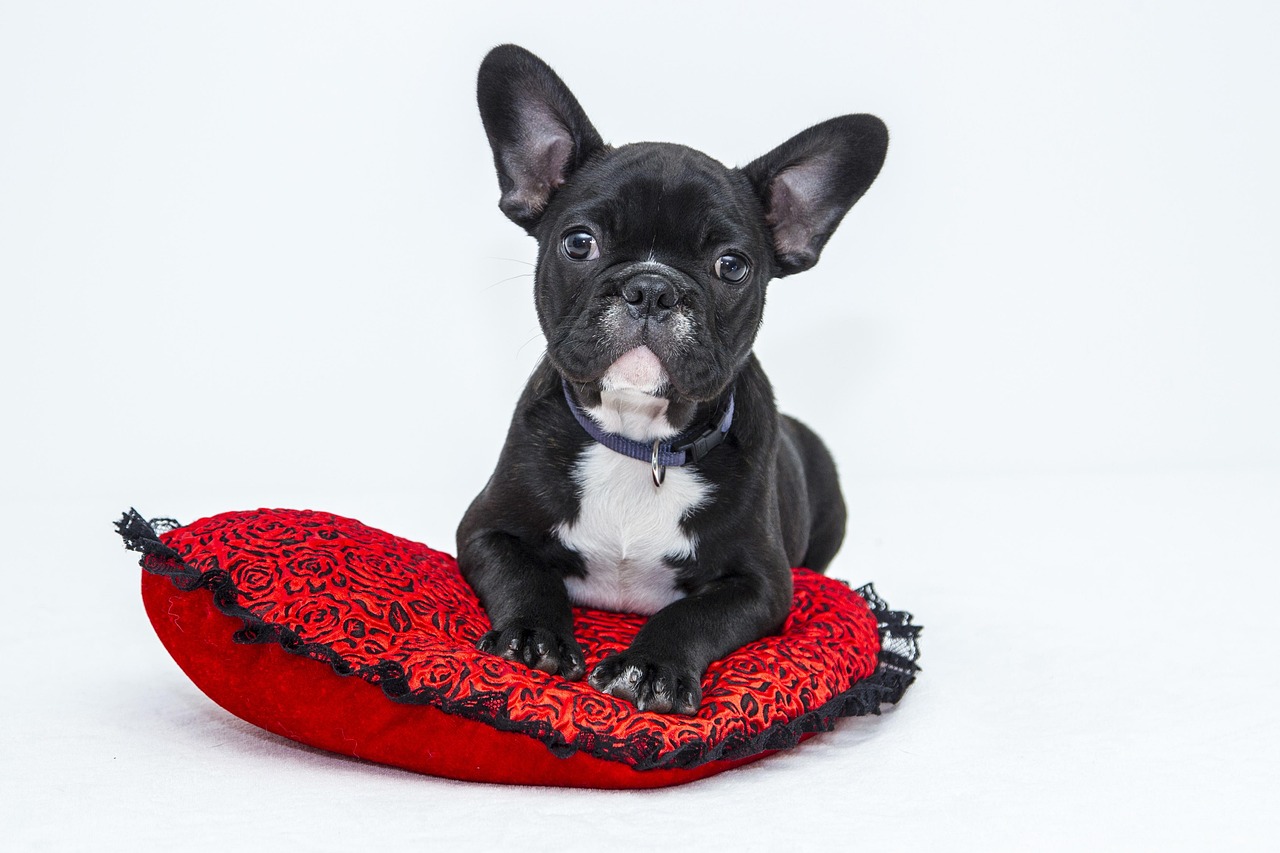
Brachycephalic breeds like Bulldogs are at the highest risk for overheating due to their shortened airways
Dangerous Situations That Cause Overheating
Most cases of heat stroke in dogs are entirely preventable. Understanding the situations that most commonly lead to overheating is the first step in protecting your dog.
1. Hot Cars: The Number One Killer
Leaving a dog in a parked car is the most common cause of fatal heat stroke. Even on a mild 70°F (21°C) day, the interior of a car can reach 104°F within 30 minutes and continue climbing. On an 85°F day, the car can reach 120°F in under 30 minutes. Cracking the windows has been shown to have virtually no meaningful effect on the interior temperature. Dogs can die in parked cars in as little as 10 to 15 minutes, even in conditions that feel comfortable to a person standing outside.
Never leave your dog unattended in a parked vehicle for any length of time. "I'll only be a minute" is the phrase most commonly cited by owners whose dogs have died in hot cars. If you cannot take your dog inside with you, leave them at home.
2. Pavement and Surface Burns
Asphalt and concrete absorb solar radiation and can reach temperatures 40 to 60 degrees hotter than the ambient air temperature. When the air temperature is 85°F, asphalt in direct sunlight can reach 140°F or higher - hot enough to cause burns on your dog's paw pads within 60 seconds. Beyond paw burns, hot surfaces also radiate heat upward, creating a superheated zone close to the ground where dogs walk. Because dogs are closer to the ground than humans and surrounded by radiating heat from below, they experience a much higher effective temperature than what the weather app reports.
3. Exercise in Hot Weather
Exercise generates significant internal heat. A dog running or playing vigorously can raise its body temperature by 2 to 5 degrees in just minutes. When combined with high ambient temperature and humidity, this internal heat production can overwhelm the cooling system faster than many owners realize. Dogs will often continue to play or run despite being dangerously overheated because their drive to please their owner or chase a ball overrides their self-preservation instinct. It is your responsibility to stop exercise before your dog reaches a dangerous point.
Particularly dangerous activities in hot weather include running alongside a bicycle, hiking in direct sunlight without shade breaks, fetch or agility in the middle of the day, and any prolonged physical activity when the temperature exceeds 80°F. Dogs that are unfit, overweight, or not accustomed to exercise are at especially high risk.
4. Confinement Without Ventilation
Dogs confined in poorly ventilated spaces such as garages, sheds, dog houses without shade, concrete runs without water, or crates in direct sunlight can overheat rapidly. Even indoors, a room without air conditioning or adequate airflow can become dangerous during extreme heat. Dog houses, while providing shade, can actually trap heat and become hotter than the outside air if they lack ventilation.
5. Grooming and Drying
Dogs can overheat during grooming sessions, particularly when cage dryers or high-heat blow dryers are used. This is why choosing a qualified professional groomer is so important. Reputable groomers monitor dogs closely during drying, use temperature-controlled equipment, and never leave a dog unattended under a dryer. If you groom at home, always use cool or low-heat settings and take frequent breaks to prevent overheating.
Temperature Danger Zones
The following table illustrates how ambient temperature translates to dangerous surface and car interior temperatures. These numbers demonstrate why conditions that feel merely warm to humans can be deadly for dogs.
| Air Temperature | Asphalt Surface | Car Interior (30 min) | Risk Level |
|---|---|---|---|
| 70°F (21°C) | ~100°F | ~104°F | Caution |
| 77°F (25°C) | ~117°F | ~114°F | Moderate risk |
| 85°F (29°C) | ~140°F | ~119°F | High risk |
| 90°F (32°C) | ~150°F | ~132°F | Dangerous |
| 95°F (35°C) | ~159°F | ~140°F | Extreme danger |
| 100°F (38°C) | ~165°F+ | ~150°F+ | Life-threatening |
Key Takeaway:
On a seemingly comfortable 77°F day, the asphalt your dog walks on can already exceed 117°F, and a parked car interior reaches 114°F within 30 minutes. What feels pleasant to you can be dangerous for your dog.
Emergency First Aid for an Overheating Dog
If your dog is showing signs of heat stroke, every second counts. Begin cooling measures immediately while arranging transport to the nearest emergency veterinary hospital. Do not wait until you arrive at the vet to start cooling.
Step-by-Step Emergency First Aid
- 1. Move to a cool area immediately. Get your dog out of direct sunlight and into shade, an air-conditioned building, or in front of a fan. Remove them from the hot environment as quickly as possible.
- 2. Apply cool (not cold) water. Use lukewarm to cool water (approximately 60-70°F) and pour it over your dog's body, focusing on the neck, armpits, groin, and paw pads. These areas have blood vessels close to the surface and allow for the most efficient heat exchange. You can use a hose, wet towels, or pour water from bottles.
- 3. Use a fan or moving air. Air movement dramatically increases evaporative cooling. Place your dog in front of a fan, in an air-conditioned car with vents aimed at them, or in any area with a breeze. This is one of the most effective cooling methods available.
- 4. Wet the paw pads and ears. Apply cool water specifically to the paw pads (where sweat glands are located) and to the ear flaps (where blood vessels are close to the surface). Alcohol wipes on paw pads can also help, as alcohol evaporates faster than water and draws more heat.
- 5. Offer small amounts of cool water. If your dog is conscious and able to drink, offer small amounts of cool (not icy) water. Do not force water into a dog that is semiconscious or unable to swallow, as it may enter the lungs.
- 6. Replace wet towels frequently. If using wet towels, replace them every 2 to 3 minutes. Towels left on the body quickly absorb body heat and become warm, insulating rather than cooling the dog. Constantly flowing water is more effective than static towels.
- 7. Transport to the emergency vet. Even if your dog appears to be recovering, always seek veterinary care after a heat stroke episode. Internal organ damage may not be immediately visible. Keep the car air conditioning on and continue cooling during the drive.
- 8. Monitor the rectal temperature if possible. If you have a rectal thermometer, check the temperature every 5 minutes. Stop active cooling when the temperature drops to 103°F (39.4°C) to prevent overcooling (hypothermia). The body will continue to cool on its own after external cooling stops.
What NOT to Do When Your Dog Is Overheating
Well-meaning owners can inadvertently make things worse if they use incorrect cooling methods. Avoid these common mistakes:
Critical Mistakes to Avoid
- * Do NOT use ice water or ice baths. Ice-cold water causes blood vessels near the skin to constrict (vasoconstriction), which traps heat deep inside the body and prevents it from escaping. This can cause the core temperature to actually rise despite the cold water on the surface. Use cool water, not cold.
- * Do NOT place ice packs directly on the body. Ice packs can cause local frostbite and, like ice water, trigger vasoconstriction that hinders cooling. If you use ice packs, wrap them in a thin towel and apply only briefly to the groin and armpits.
- * Do NOT cover the dog in wet towels and leave them. Towels heat up quickly from body heat and become insulating blankets rather than cooling aids. If using towels, replace them every few minutes or use continuously flowing water instead.
- * Do NOT force water into the mouth. A disoriented or semiconscious dog may inhale water into the lungs (aspiration), causing a secondary life-threatening problem. Only offer water to dogs that are fully conscious and can drink on their own.
- * Do NOT submerge the dog in a cold pool or tub. The rapid temperature change can cause shock and trigger dangerous cardiac arrhythmias in addition to the vasoconstriction problem. Gradual cooling with cool water is safer and more effective.
- * Do NOT assume the dog is fine once they seem better. Internal organ damage from heat stroke can take 24 to 72 hours to become apparent. Kidney failure, liver damage, and brain swelling can develop even after the dog appears to have recovered. Always see a vet.
The Pavement Temperature Test
Before walking your dog on any hard surface during warm weather, perform the back-of-hand test. This simple test takes seven seconds and can prevent painful paw pad burns.
The 7-Second Back-of-Hand Test
- 1. Place the back of your hand flat on the pavement, asphalt, or concrete.
- 2. Hold it there for a full 7 seconds.
- 3. If you cannot comfortably keep your hand on the surface for the full 7 seconds, it is too hot for your dog's paws.
Use the back of your hand rather than your palm because the skin on the back of your hand is thinner and more sensitive, giving a more accurate test. Dog paw pads are tough, but they are not heatproof - they burn at sustained temperatures above 120°F.
If the pavement is too hot, walk your dog on grass, dirt, or shaded surfaces instead. You can also walk during the early morning (before 9 AM) or evening (after 7 PM) when surfaces have had time to cool. Dog booties provide some protection but are not a substitute for avoiding dangerously hot surfaces entirely, as they can also trap heat around the paw. Signs that your dog's paws have been burned include limping, refusing to walk, licking at paws, pads that are darker than usual, blisters, or visible redness and peeling.
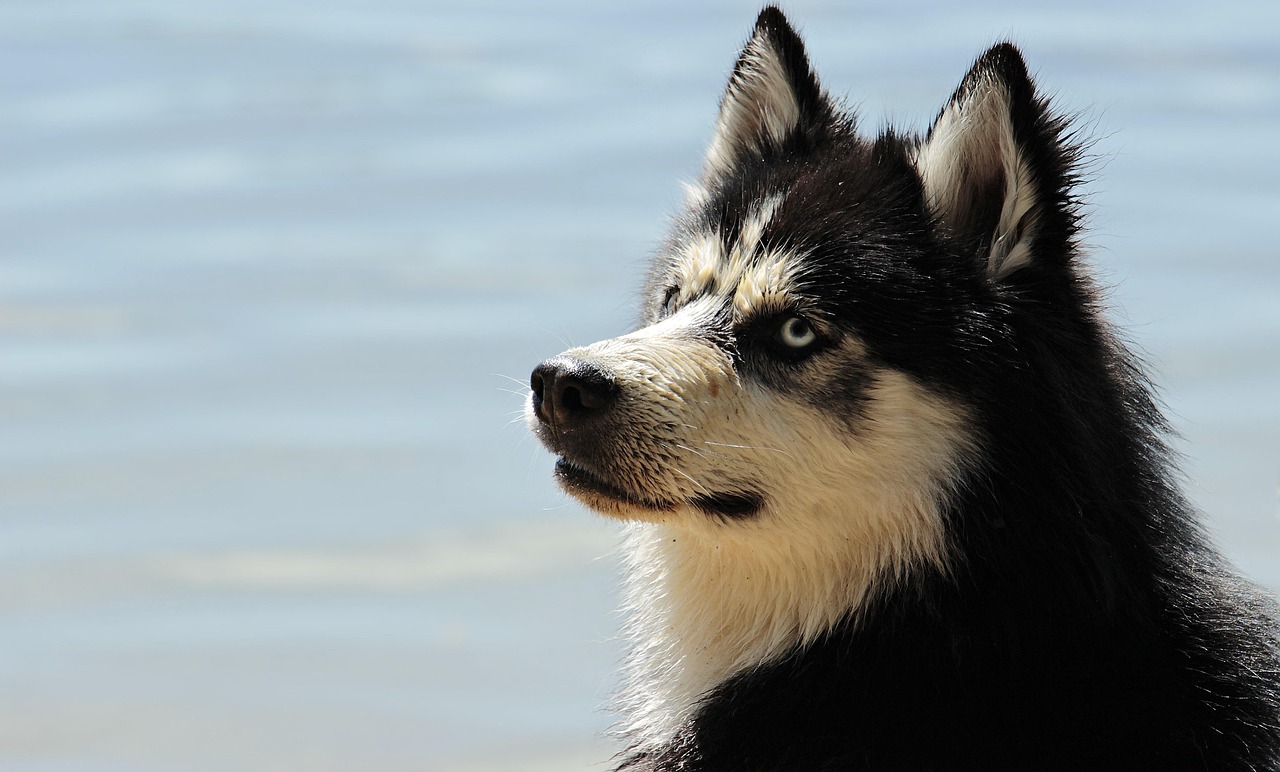
Thick-coated breeds like Huskies are bred for cold climates and are particularly vulnerable to overheating
Prevention Tips for Summer Safety
The best treatment for heat stroke is prevention. By following these strategies, you can dramatically reduce your dog's risk of overheating during warm weather.
Summer Safety Checklist
- 1. Provide constant access to fresh, cool water. Dogs need significantly more water in hot weather. Always have multiple water sources available and bring a portable bowl and water bottle on walks and outings. Add ice cubes to water bowls to keep the water cool longer. Signs of dehydration in dogs often accompany overheating.
- 2. Adjust exercise timing. Walk and exercise your dog during the coolest parts of the day - early morning before 9 AM and evening after 7 PM. Avoid midday activities entirely during heat waves. Keep walks shorter and less vigorous in warm weather.
- 3. Never leave your dog in a parked car. Not even for one minute. Not even with the windows cracked. Not even on a cloudy day. If you cannot bring your dog inside with you, leave them safely at home.
- 4. Provide shade and ventilation. If your dog spends time outdoors, ensure they always have access to shade (trees, tarps, covered patios) and fresh air. Dog houses can actually trap heat - make sure any shelter has good ventilation and is not in direct sunlight.
- 5. Use cooling aids. Cooling mats, cooling vests, elevated mesh beds, sprinklers, kiddie pools, and frozen treats (ice cubes, frozen peanut butter Kongs) all help dogs stay comfortable. Wetting your dog's coat before a walk provides evaporative cooling.
- 6. Know your dog's limits. Do not push your dog to keep up with your activity level in the heat. Dogs will often try to please their owners even when they are suffering. Watch for early warning signs and stop activity immediately if you see heavy panting, slowed pace, or reluctance to continue.
- 7. Consider a summer grooming trim. For thick-coated breeds, a professional summer trim can improve airflow and comfort. However, never shave a double-coated dog completely - the undercoat provides insulation against both cold and heat, and shaving it can actually increase the risk of overheating and sunburn. A professional groomer can advise on the appropriate cut for your dog's breed and coat type.
- 8. Monitor the humidity. High humidity is just as dangerous as high temperature. When humidity exceeds 80%, a dog's panting becomes significantly less effective regardless of the air temperature. On humid days, reduce outdoor time even if the temperature seems manageable.
- 9. Acclimate gradually. If the weather turns hot suddenly (first heat wave of summer) or you are traveling to a warmer climate, allow your dog several days to gradually acclimate. Start with very short outdoor sessions and increase slowly.
- 10. Apply pet-safe sunscreen. Dogs with thin coats, light-colored skin, or pink noses can get sunburned. Apply pet-safe sunscreen to exposed areas including the nose, ear tips, and belly. Never use human sunscreen on dogs as ingredients like zinc oxide are toxic to them.
Special attention should be given to dogs that have experienced heat stroke before, as they may have suffered damage to their thermoregulation system that makes them more susceptible to future episodes. Dogs with a history of bloat should also be monitored carefully in the heat, as stress and dehydration can exacerbate gastrointestinal issues. Similarly, dogs experiencing rapid weight loss may be more vulnerable to temperature extremes due to compromised overall health.
When to Rush to the Emergency Vet
Not every instance of heavy panting requires a vet visit, but heat stroke is a time-critical emergency where minutes can determine whether your dog lives or dies. Here are the situations that demand immediate veterinary care:
Rush to the Emergency Vet If:
- * Your dog's gums are dark red, purple, blue, or gray
- * Vomiting or diarrhea occurs, especially if bloody
- * Your dog staggers, loses coordination, or cannot walk straight
- * Your dog collapses or cannot stand up
- * Seizures or uncontrollable muscle tremors
- * Loss of consciousness or unresponsiveness
- * Panting does not slow down after 15 minutes in a cool environment
- * Rectal temperature exceeds 105°F (40.5°C)
- * Your dog was found in a hot car, regardless of how they appear
- * Any overheating symptoms in a brachycephalic breed, puppy, or senior dog
Begin cooling measures before and during transport to the vet. Run the car air conditioning at full blast, apply cool water to the dog's body, and if someone else is driving, continue applying cool wet cloths. Call the emergency veterinary hospital while en route so they can prepare. At the hospital, your dog will receive intravenous fluids, active cooling, oxygen therapy if needed, and monitoring for organ damage including bloodwork to assess kidney and liver function.
Dogs that have experienced heat stroke will typically need to stay at the veterinary hospital for 24 to 72 hours for monitoring. Complications including kidney failure, liver damage, clotting disorders (DIC), cerebral edema (brain swelling), and secondary infections can develop hours to days after the initial event. Your vet will run serial blood tests to monitor organ function and watch for these delayed complications.
Frequently Asked Questions
What are the first signs of overheating in a dog?▼
The earliest signs of overheating in dogs include excessive or heavy panting that does not slow down with rest, thick or ropy drool, bright red tongue and gums, restlessness or agitation, and actively seeking shade or cool surfaces. Your dog may also drink water excessively and appear uncomfortable or anxious. If you notice these early signs, move your dog to a cool area immediately and offer fresh water.
What temperature is too hot for dogs?▼
Most dogs begin to struggle when the ambient temperature exceeds 80°F (27°C), especially with high humidity. Brachycephalic breeds (flat-faced dogs like Bulldogs and Pugs) can overheat at even lower temperatures. A dog's normal body temperature is 101-102.5°F (38.3-39.2°C). Heat exhaustion begins around 103-104°F, and heat stroke occurs when body temperature exceeds 105°F (40.5°C), which is a life-threatening emergency.
How quickly can a dog overheat in a car?▼
A dog can overheat in a parked car in as little as 10 minutes, even on a mild 70°F (21°C) day. Within 30 minutes, the interior of a car can reach 120°F or higher. Cracking windows does virtually nothing to reduce the temperature. On an 85°F day, the car interior can reach 104°F in just 10 minutes and 119°F in 30 minutes. Never leave a dog unattended in a parked vehicle under any circumstances.
Can I use ice water to cool down an overheating dog?▼
No, do not use ice water or ice packs directly on an overheating dog. Extremely cold water causes the blood vessels near the skin to constrict (vasoconstriction), which actually traps heat inside the body and can make the situation worse. Instead, use cool (not cold) water, around 60-70°F. Apply cool wet towels to the neck, armpits, and groin, and use a fan to increase evaporative cooling. Replace wet towels frequently as they heat up quickly.
Which dog breeds are most at risk for heat stroke?▼
Brachycephalic (flat-faced) breeds are at the highest risk for heat stroke because their shortened airways make it harder to cool themselves through panting. This includes Bulldogs (English and French), Pugs, Boston Terriers, Boxers, Shih Tzus, and Pekingese. Other high-risk groups include thick or double-coated breeds (Huskies, Malamutes, Saint Bernards), obese dogs, senior dogs, puppies, and dogs with heart or respiratory conditions.
How do I test if pavement is too hot for my dog's paws?▼
Use the back-of-hand test: place the back of your hand flat on the pavement and hold it there for 7 seconds. If it is too hot for you to keep your hand down comfortably, it is too hot for your dog's paws. Asphalt can reach 140-150°F when the air temperature is only 85°F, causing burns in under 60 seconds. Walk your dog on grass, in the early morning, or in the evening when surfaces have cooled.
The Bottom Line
Dog overheating and heat stroke are among the most preventable causes of death in dogs, yet hundreds of dogs die from heat-related illness every summer. The key facts to remember: dogs cool themselves primarily through panting, which becomes ineffective in high humidity; heat stroke begins at a body temperature of 105°F and can cause permanent organ damage or death within 15 minutes; and the most common cause of fatal heat stroke is being left in a parked car.
Learn to recognize the early warning signs - excessive panting, bright red gums, thick drool, and restlessness - and act immediately when you see them. Move your dog to a cool environment, apply cool (not ice-cold) water, use fans for evaporative cooling, and always seek veterinary care after any heat stroke episode. Never assume your dog is fine just because they seem to improve - internal damage can take days to manifest.
Prevention is everything. Walk during cool hours, provide constant access to water and shade, never leave your dog in a car, know your dog's risk factors, and schedule regular professional grooming to maintain a coat that supports healthy thermoregulation. A summer trim for thick-coated breeds, proper hydration, and common-sense heat avoidance will keep your dog safe and happy throughout the hottest months.
Related Health Articles
Dog Food Safety
Which human foods are safe, cautionary, or toxic for your dog.
Dog Grooming Guide
Find groomers by state, compare prices, and learn breed-specific care.
Mobile Grooming
Groomers who come to you — less stress for your dog during recovery.
🛍️ Recommended Products
Professional-grade pet care products, delivered to your door.
Browse Products →Related Symptom Guides
Keep Your Dog Cool With Professional Grooming
A professional summer trim helps your dog stay comfortable in the heat while protecting their coat and skin health.
Find Groomers Near Me