
Quick Answer:
Healthy dog gums should be bubblegum pink, moist, and slippery. When pressed, color should return within 1-2 seconds (capillary refill test). Pale/white gums suggest anemia or shock, bright red may mean heatstroke or toxicity, yellow indicates liver issues, blue/purple signals oxygen deprivation, and gray gums are a sign of severe shock or pain. Pale, blue, and gray gums are always veterinary emergencies.
What Healthy Dog Gums Look Like
Before you can recognize unhealthy gums, you need to know what normal looks like. Healthy dog gums share several consistent characteristics that are easy to check once you know what you are looking for.
Healthy gums are bubblegum pink. The color should be a consistent, soft pink, similar to the color of cooked shrimp or the inside of a pink rose petal. This pink color indicates that blood is flowing properly through the tiny capillaries in the gum tissue, delivering oxygen throughout your dog's body.
Beyond color, healthy gums should feel moist and slippery to the touch. If you lift your dog's lip and run your finger along the gum line, it should glide smoothly. Dry or tacky gums can be an early sign of dehydration in dogs and should prompt you to ensure your dog is drinking enough water.
The gum surface should be smooth and uniform, without lumps, bumps, sores, or areas of swelling. The gum line where it meets the teeth should be tight and not pulling away from the tooth surface. There should be no foul odor coming from the mouth beyond normal "dog breath."
One important caveat: some dog breeds naturally have dark or black pigmented gums. Chow Chows, for instance, are famous for their blue-black tongues and gums. Shar-Peis, Black Mouth Curs, Australian Shepherds, and many mixed breeds can also have spotted or entirely dark gums. This is caused by melanin and is completely normal if it has been present since puppyhood. The key is to know your individual dog's baseline so you can detect changes.
Pro Tip: Establish Your Dog's Baseline
Make a habit of checking your dog's gums when they are healthy and relaxed. Note the normal color, moisture level, and capillary refill time. This way, if something changes, you will immediately notice. Take a reference photo on your phone so you have a comparison point.
Dog Gum Color Chart
The following chart provides a comprehensive overview of what each gum color means, how urgent the situation is, and what you should do. Bookmark this page for quick reference.
| Gum Color | What It Means | Possible Causes | Urgency |
|---|---|---|---|
| Pink (bubblegum) | Healthy, normal circulation | Normal healthy state | None - this is ideal |
| Pale pink / White | Poor blood circulation, low red blood cells | Anemia, internal bleeding, shock, blood loss, heart disease | Emergency |
| Bright / Cherry red | Overheating, toxin exposure, or inflammation | Heatstroke, carbon monoxide poisoning, hypertension, gingivitis | Urgent to Emergency |
| Yellow (jaundiced) | Liver dysfunction, red blood cell destruction | Liver disease, hemolytic anemia, leptospirosis, gallbladder obstruction | Urgent - same day vet |
| Blue / Purple (cyanotic) | Oxygen deprivation | Choking, respiratory failure, pneumonia, heart failure, collapsed lung | Emergency - life-threatening |
| Gray | Severe circulatory compromise | Shock, severe pain, sepsis, cardiovascular collapse | Emergency - life-threatening |
| Spotted / Pigmented (black) | Normal melanin pigmentation (usually) | Breed-specific trait; if new, possibly melanoma | Normal if lifelong; vet visit if new |
| Bleeding / Swollen red | Dental disease, injury, or clotting disorder | Gingivitis, periodontal disease, trauma, clotting disorders, oral tumors | Vet visit within 24-48 hrs |
Keep this chart in mind every time you check your dog's mouth. The color of your dog's gums provides a window into what is happening inside their body, from their cardiovascular system to their liver function and oxygen levels. When combined with the capillary refill test described below, a quick gum check takes only seconds and can save your dog's life.
The Capillary Refill Test (CRT)
The capillary refill test is one of the most valuable at-home health checks every dog owner should know. It measures how quickly blood returns to the tiny capillaries in your dog's gums after being briefly pressed out, giving you a real-time snapshot of your dog's circulation and hydration status.
How to Perform the CRT
- Lift your dog's upper lip to expose the gum above the upper teeth. Choose a non-pigmented (pink) area of gum.
- Press your finger firmly against the gum for about 2 seconds. You will see the area turn white (blanch) as you push the blood out of the capillaries.
- Release and count. Remove your finger and watch the white spot. Time how long it takes for the pink color to return.
- Interpret the result:
- 1-2 seconds: Normal. Blood is circulating well.
- Less than 1 second: May indicate high blood pressure, heatstroke, or a hyperdynamic state.
- More than 2 seconds: Concerning. Could indicate dehydration, shock, poor circulation, or heart problems.
- More than 4 seconds: Potentially life-threatening. Seek emergency veterinary care.
Why the CRT Matters
The capillary refill test is the same assessment veterinarians and emergency responders use during triage. It provides immediate information about your dog's cardiovascular function without any special equipment. Combined with gum color assessment, the CRT can help you determine whether a situation is an emergency before you even leave the house.
If your dog's CRT is prolonged (over 2 seconds), check for other signs of dehydration such as dry gums, loss of skin elasticity, sunken eyes, and lethargy. A slow CRT combined with pale gums is a strong indicator that something is seriously wrong.

Healthy dog gums should be a consistent bubblegum pink, moist, and smooth
Pale or White Gums
If your dog's gums have lost their healthy pink color and appear pale, very light pink, or white, this is almost always a sign of a serious medical problem that requires immediate attention. Pale gums indicate that not enough red blood cells are reaching the gum tissue, which can happen for several reasons.
Anemia
Anemia occurs when your dog does not have enough red blood cells or hemoglobin to carry oxygen effectively. This can result from blood loss (internal or external bleeding), destruction of red blood cells (immune-mediated hemolytic anemia, toxin exposure, tick-borne diseases), or inadequate red blood cell production (bone marrow disease, chronic kidney disease, nutritional deficiencies). Dogs with anemia often appear weak, lethargic, and may have an elevated heart rate as the body tries to compensate for reduced oxygen delivery.
Blood Loss
Both external and internal bleeding can cause pale gums. External blood loss from a wound is usually obvious, but internal bleeding can be much harder to detect. A dog that has been hit by a car, fallen from a height, or swallowed rat poison may be bleeding internally without any visible signs other than pale gums, weakness, a distended abdomen, and rapid breathing. If you suspect your dog has experienced trauma or ingested a toxin, check the gums immediately. A bleeding nose combined with pale gums is particularly concerning and warrants an emergency visit.
Shock
Shock is a life-threatening condition where the body's circulatory system fails to deliver adequate blood flow to vital organs. In early shock, gums may appear pale or slightly tacky. As shock progresses, gums become white or gray, the CRT becomes prolonged (over 3-4 seconds), the dog becomes weak and confused, and the body temperature drops. Shock can result from severe blood loss, sepsis (systemic infection), anaphylaxis (severe allergic reaction), or heart failure. Conditions like bloat (GDV) can cause rapid-onset shock.
Heart Disease
Congestive heart failure and other cardiac conditions can lead to poor blood circulation, resulting in pale or slightly bluish gums. If your dog's gums are consistently pale (not acutely), and your dog also shows exercise intolerance, coughing, or difficulty breathing, heart disease should be investigated. Your veterinarian can assess heart function with chest X-rays, electrocardiography (ECG), and echocardiography (ultrasound of the heart).
Bright Red Gums
While pink gums are healthy, bright red or cherry-red gums are not. Intensely red gums indicate that blood vessels in the gum tissue are dilated or inflamed, and the underlying cause determines how urgently you need to act.
Heatstroke
One of the most common and dangerous causes of bright red gums is heatstroke. When a dog's body temperature rises above 104 degrees Fahrenheit, the blood vessels dilate in an attempt to release heat, causing the gums to turn deep red. Other signs include heavy panting, excessive drooling, thick ropy saliva, vomiting, diarrhea, wobbliness, and eventually collapse. Heatstroke can be fatal within minutes if not treated. Begin cooling your dog immediately with cool (not ice cold) water and get to the vet. Learn more in our guide on overheating and heatstroke in dogs.
Toxin Exposure
Certain toxins cause bright red gums. Carbon monoxide poisoning produces characteristically cherry-red gums because carbon monoxide binds to hemoglobin and gives blood an abnormally bright red appearance. Other toxins and certain medications can also cause gum color changes. If your dog's gums suddenly turn bright red and you suspect toxin exposure, contact your veterinarian or the ASPCA Animal Poison Control Center (888-426-4435) immediately.
Gingivitis and Dental Disease
Unlike the systemic causes above, gingivitis causes localized redness along the gum line where the gums meet the teeth. The gums may appear swollen, red, and may bleed when touched. This is the earliest stage of periodontal disease and is caused by plaque and tartar buildup. While not immediately life-threatening, untreated gingivitis progresses to periodontal disease, which can lead to tooth pain, tooth loss, jawbone damage, and even systemic infections that affect the heart, liver, and kidneys. Regular dental care and professional grooming that includes mouth checks can help catch dental issues early.
High Blood Pressure (Hypertension)
High blood pressure in dogs can cause diffusely red gums. Hypertension in dogs is often secondary to other conditions like kidney disease, Cushing's disease, or diabetes. If your dog's gums are chronically redder than normal, your vet can check blood pressure during a routine examination.
Yellow Gums (Jaundice)
Yellow-tinged gums, also known as jaundice or icterus, are caused by a buildup of bilirubin in the blood. Bilirubin is a yellow pigment produced when red blood cells are broken down. Normally, the liver processes and eliminates bilirubin. When something goes wrong with this process, bilirubin accumulates, staining the gums, the whites of the eyes, the inner ears, and even the skin a noticeable yellow color.
Liver Disease
The liver is responsible for processing bilirubin. When the liver is damaged or diseased, it cannot do its job effectively. Causes of liver disease in dogs include hepatitis, liver tumors, toxin exposure (xylitol, certain mushrooms, medications like acetaminophen), and leptospirosis (a bacterial infection). Dogs with liver disease may also show vomiting, diarrhea, loss of appetite, increased thirst and urination, and a distended abdomen from fluid accumulation (ascites).
Hemolytic Anemia
When red blood cells are destroyed faster than the body can produce them, the rapid breakdown releases large amounts of bilirubin that overwhelm the liver's processing capacity. Immune-mediated hemolytic anemia (IMHA) is the most common form, where the dog's own immune system attacks its red blood cells. Tick-borne diseases like babesiosis and ehrlichiosis can also cause hemolytic anemia. Dogs with hemolytic anemia typically have both yellow and pale gums, weakness, rapid breathing, and dark-colored urine.
Gallbladder Obstruction
A gallstone, mucocele (thickened bile), or tumor blocking the bile duct can prevent bilirubin from being excreted into the intestines, causing it to back up into the bloodstream. This is known as obstructive jaundice or post-hepatic jaundice. Gallbladder problems in dogs can be a surgical emergency, particularly if the gallbladder is at risk of rupturing.
Key Point About Yellow Gums
Yellow gums are never normal in dogs. Unlike some gum color changes that may be subtle, jaundice is always pathological and indicates a significant problem with the liver, gallbladder, or red blood cells. If you notice any yellow tinge to your dog's gums, eyes, or ear flaps, schedule a same-day veterinary appointment. Blood work (a chemistry panel and complete blood count) is essential to determine the underlying cause.
Blue or Purple Gums (Cyanosis)
Blue or purple gums, medically known as cyanosis, are one of the most alarming gum color changes you can see. Cyanosis means your dog's blood is not carrying enough oxygen, and the tissues are literally turning blue from oxygen starvation. This is always a life-threatening emergency.
Respiratory Obstruction
If your dog is choking on a toy, bone, or piece of food, the airway obstruction prevents oxygen from reaching the lungs. The gums will rapidly turn from pink to blue or purple. Other signs include gagging, pawing at the mouth, panicking, and eventually losing consciousness. Brachycephalic breeds (Bulldogs, Pugs, French Bulldogs) are at higher risk of airway obstruction due to their shortened airways. If your dog is choking, this is a seconds-to-minutes emergency.
Pneumonia and Lung Disease
Severe pneumonia, fluid in the lungs (pulmonary edema), a collapsed lung (pneumothorax), or a large mass in the chest can all prevent adequate oxygen exchange. Dogs with these conditions typically show labored breathing, rapid breathing, coughing, and reluctance to lie down. Cyanosis indicates that the lung or chest condition has progressed to a critical stage.
Heart Failure
Severe congestive heart failure can cause fluid to build up in or around the lungs, impairing oxygen exchange and leading to cyanosis. Dogs with heart failure may also cough, have exercise intolerance, faint, and have a distended abdomen from fluid accumulation. Some dogs with congenital heart defects may have chronically blue-tinged gums from birth.
What to do: If your dog's gums are blue or purple, do not wait. Check for airway obstruction (look in the mouth, perform the Heimlich maneuver if trained to do so), keep your dog as calm as possible to minimize oxygen demand, and get to the nearest emergency veterinary hospital immediately. Every second matters with cyanosis.
Gray Gums
Gray or ashen-colored gums are among the most ominous gum color changes in dogs. While pale gums suggest reduced blood flow, gray gums indicate that the circulatory system is in severe compromise. The tissue is not receiving enough blood or oxygen to maintain even a faint pink color.
Shock (Late Stage)
Gray gums are a hallmark of late or decompensated shock. At this stage, the body's compensatory mechanisms have failed, blood pressure has dropped dangerously low, and vital organs are at risk of permanent damage. Shock can result from massive blood loss, severe infection (septic shock), bloat (GDV), anaphylaxis, or heart failure. A dog in late-stage shock will have gray gums, a very slow CRT (over 4 seconds), a weak or absent pulse, cool extremities, a low body temperature, and may be semiconscious or unresponsive.
Severe Pain
Extreme pain can trigger a vasovagal response or systemic stress response that shunts blood away from the periphery, including the gums. Dogs experiencing severe pain from conditions like pancreatitis, a ruptured organ, or a broken bone may have gray or very pale gums along with panting, trembling, and reluctance to move.
Sepsis
Sepsis is a systemic inflammatory response to infection that can rapidly become life-threatening. As the infection overwhelms the body, blood vessels dilate inappropriately, blood pressure plummets, and organs begin to fail. Gray gums in a dog with a known infection (such as a pyometra, ruptured abscess, or severe wound infection) are a critical sign that sepsis has progressed to septic shock.
Black or Dark Pigmented Gums
Black gums in dogs are one of the most commonly misunderstood gum color variations. In most cases, dark pigmentation is entirely normal, but there are situations where it warrants veterinary attention.
When Black Gums Are Normal
Many dogs are born with black, dark blue, or spotted gums due to melanin, the same pigment that determines skin and hair color. This is particularly common in breeds like Chow Chows (known for entirely blue-black tongues and gums), Shar-Peis, Black Mouth Curs, Akitas, Australian Shepherds, Dalmatians, Dobermans, German Shepherds, Golden Retrievers, Irish Setters, Labrador Retrievers, Mastiffs, and many mixed breeds.
If your dog has had dark or spotted gums since they were a puppy, and the pigmentation has remained flat, smooth, and consistent in texture with the surrounding gum tissue, it is almost certainly normal melanin pigmentation. Some dogs have entirely dark gums, while others have a patchwork of pink and dark spots. This is analogous to freckles or birthmarks in humans.
When to Be Concerned: Melanoma
Oral melanoma is the most common malignant oral tumor in dogs. It can appear as a dark, raised, or irregularly shaped mass on the gums, tongue, palate, or lips. Unlike normal pigmentation, melanoma lesions tend to be raised, irregularly bordered, rapidly growing, and may bleed or ulcerate. Some oral melanomas are actually amelanotic (non-pigmented) and appear pink or red.
You should schedule a veterinary appointment if you notice:
- New dark spots on previously pink gums in an adult or senior dog
- Raised or lumpy dark areas (normal pigmentation is flat)
- Rapidly growing dark lesions
- Irregular borders or asymmetric spots
- Bleeding or ulceration of a dark area
- Drooling, difficulty eating, or facial swelling associated with a dark mass
- Dark spots that change color, size, or texture over time
Early detection of oral melanoma significantly improves treatment options and prognosis. Your veterinarian can perform a fine needle aspirate or biopsy of any suspicious lesion.
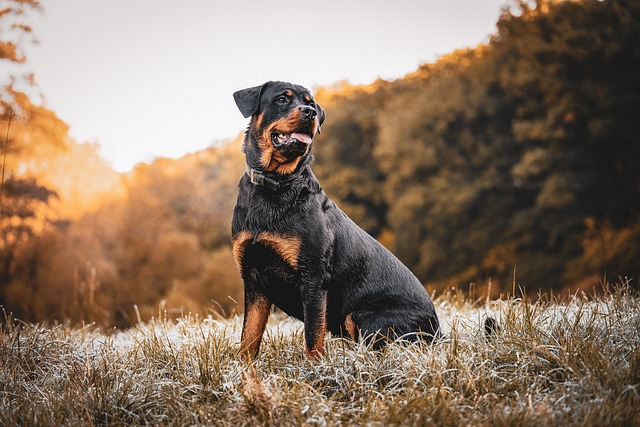
Many breeds like Rottweilers naturally have dark or pigmented gums, which is completely normal
Bleeding or Swollen Gums
Gums that bleed easily, appear puffy and swollen, or are pulling away from the teeth are telling you something important about your dog's oral health and potentially their overall health.
Periodontal Disease
Periodontal disease is the number one health condition in dogs, affecting an estimated 80% of dogs by age three. It begins with plaque buildup on the teeth, which hardens into tartar. Bacteria thrive in tartar and cause inflammation of the gums (gingivitis), which progresses to destruction of the tissues supporting the teeth (periodontitis). Signs include red, swollen, bleeding gums, bad breath, loose teeth, difficulty eating, and pawing at the mouth. Advanced periodontal disease can cause significant tooth pain, tooth loss, jawbone erosion, and systemic infections.
Trauma
Dogs can injure their gums by chewing on hard objects (rocks, antlers, bones, hard nylon toys), sticks that splinter, or from fights with other animals. Traumatic gum injuries usually involve a specific area rather than generalized swelling. Minor cuts and abrasions typically heal on their own, but deep lacerations, puncture wounds, or injuries that expose bone or tooth roots need veterinary attention.
Clotting Disorders
If your dog's gums bleed spontaneously or excessively from minor contact, a clotting disorder may be to blame. Causes include ingestion of rat poison (anticoagulant rodenticides), immune-mediated thrombocytopenia (low platelet count), von Willebrand's disease (an inherited clotting disorder common in Dobermans), liver failure, and certain tick-borne diseases. Dogs with clotting disorders may also have bruising on the skin or belly, blood in the urine or stool, and nosebleeds.
Oral Tumors
Growths on the gums can appear as swollen, bleeding, or abnormal-looking tissue. Common oral tumors in dogs include melanoma, squamous cell carcinoma, fibrosarcoma, and epulides (benign gum growths). Any persistent lump, mass, or non-healing sore in your dog's mouth should be evaluated by your veterinarian. Early detection and treatment significantly improve outcomes for oral cancers.
How to Check Your Dog's Gums at Home
Checking your dog's gums should be a regular part of your home health routine. Here is a step-by-step guide to performing a thorough gum check:
- Choose a calm moment. Do not try to check your dog's gums when they are excited, eating, or stressed. After a relaxing walk or during quiet time is ideal.
- Position yourself and your dog comfortably. Have your dog sit or lie down. Approach from the side rather than directly from the front, which can feel confrontational to some dogs.
- Lift the upper lip gently. Using one hand to stabilize your dog's head if needed, use your other hand to lift the upper lip on one side to expose the gums above the upper teeth.
- Observe the color. Look at the overall gum color. Healthy gums should be bubblegum pink. Note any areas of unusual color, spots, swelling, or lesions.
- Check moisture. Gently touch the gum with your fingertip. It should feel moist and slippery. Tacky or dry gums may indicate dehydration.
- Perform the capillary refill test. Press your fingertip against a pink area of gum for 2 seconds, release, and count how long it takes for color to return. Normal is 1-2 seconds.
- Check both sides. Repeat on the other side of the mouth. Also lift the lower lip to check the lower gums.
- Look at the gum line. Check where the gums meet the teeth for redness, swelling, or recession (gums pulling away from the teeth).
- Note any lumps or bumps. Run your finger gently along the gums to feel for any masses, growths, or irregularities.
- Reward your dog. Always end with praise and a treat to make gum checks a positive experience.
Pro Tip: Make Gum Checks Part of Your Routine
Aim to check your dog's gums at least once a week. Many owners find it easiest to do during grooming sessions or after brushing their dog's teeth. The more frequently you check, the faster you will notice any changes. If your dog is resistant to having their mouth handled, start slowly with brief sessions and lots of rewards, gradually building up to a full check.

Regular at-home gum checks help you catch changes in your dog's health early
When to Rush to the Emergency Vet
Some gum color changes are cause for a scheduled vet visit, but others demand immediate emergency care. Do not wait, do not "see how it goes," and do not try home remedies if your dog shows any of the following:
Rush to the Emergency Vet Immediately If Your Dog Has:
- * Pale or white gums: Indicates anemia, internal bleeding, or shock. Check for other signs like weakness, rapid breathing, distended abdomen, and collapse. This is especially critical if your dog has experienced trauma or ingested a toxin.
- * Blue or purple gums (cyanosis): Your dog is not getting enough oxygen. Check for airway obstruction. This can be fatal within minutes without intervention. Keep your dog calm and get to the emergency vet as fast as possible.
- * Gray or ashen gums: Indicates late-stage shock, sepsis, or cardiovascular collapse. A dog with gray gums is in critical condition. Time is of the essence; every minute matters.
- * Yellow gums with sudden onset: Acute jaundice can indicate rapid red blood cell destruction or acute liver failure. While not always as immediately life-threatening as the colors above, same-day veterinary evaluation is essential.
- * Any gum color change combined with: Collapse or inability to stand, difficulty breathing, uncontrolled bleeding, seizures, unresponsiveness, distended abdomen, or temperature above 104 degrees Fahrenheit.
What to Do While Heading to the Emergency Vet
- * Call ahead so the emergency team can prepare for your arrival.
- * Keep your dog warm with a blanket if they feel cold (shock causes low body temperature).
- * If you suspect heatstroke and gums are bright red, apply cool (not ice cold) water to the neck, armpits, and groin area during transport.
- * Do not give food or water if your dog may need surgery or sedation.
- * Monitor gum color during transport as it may change, which provides valuable information for the vet.
- * Drive safely. Having someone else drive while you monitor your dog is ideal.
Frequently Asked Questions
What color should a healthy dog's gums be?▼
Healthy dog gums should be a bubblegum pink color, similar to the pink of cooked shrimp. They should be moist, smooth, and slippery to the touch. When you press on them, the color should return within 1-2 seconds (the capillary refill test). Some dogs naturally have black or spotted pigmentation on their gums, which is normal for certain breeds.
What do pale or white gums mean in dogs?▼
Pale or white gums in dogs are a sign of poor blood circulation and can indicate anemia, internal bleeding, blood loss, shock, or heart disease. Pale gums are always a cause for concern and often indicate a medical emergency. If your dog's gums are noticeably pale or white, you should seek veterinary care immediately.
How do you do the capillary refill test on a dog?▼
To perform the capillary refill test (CRT), lift your dog's upper lip and press your finger firmly against a non-pigmented area of the gum for 2 seconds. Release and watch the color return. In a healthy dog, the gum will turn white where you pressed and then return to pink within 1-2 seconds. A CRT longer than 2 seconds can indicate dehydration, shock, or poor circulation.
Are black gums normal in dogs?▼
Yes, black or dark pigmented gums are completely normal in many dog breeds, including Chow Chows, Shar-Peis, Black Mouth Curs, and many mixed breeds. This pigmentation is caused by melanin and is usually present from birth. However, if your dog develops new black spots or raised dark lesions on previously pink gums, this could indicate melanoma and should be evaluated by a veterinarian promptly.
What do blue or purple gums mean in dogs?▼
Blue or purple gums in dogs, known as cyanosis, indicate that your dog is not getting enough oxygen. This is a medical emergency. Possible causes include choking, respiratory obstruction, pneumonia, congestive heart failure, or a collapsed lung. If your dog's gums appear blue or purple, seek emergency veterinary care immediately.
Why are my dog's gums bright red?▼
Bright red or cherry-red gums in dogs can indicate heatstroke, carbon monoxide poisoning, toxin exposure, high blood pressure, or gingivitis. If the bright red color is accompanied by heavy panting, drooling, or lethargy, heatstroke is a likely cause and requires immediate cooling and emergency veterinary care. Localized redness along the gum line is more commonly associated with dental disease.
The Bottom Line
Your dog's gums are one of the most accessible and informative health indicators available to you as a pet owner. A quick lift of the lip can reveal critical information about your dog's cardiovascular health, oxygenation, hydration, liver function, and dental health, all without any special equipment or training.
The key takeaways are straightforward: bubblegum pink is healthy, pale or white gums are an emergency, bright red gums warrant urgent investigation, yellow gums need same-day veterinary attention, blue or purple gums are a life-threatening emergency, and gray gums indicate critical circulatory failure. Dark pigmentation is normal for many breeds but should be monitored for changes over time.
Make gum checks a weekly habit. Know your dog's normal baseline color, moisture level, and capillary refill time. When something changes, trust your instincts and seek veterinary care. In emergencies involving pale, blue, or gray gums, every minute counts, so act quickly and drive safely to the nearest emergency veterinary hospital.
Regular veterinary checkups and professional grooming appointments provide additional opportunities for trained eyes to examine your dog's mouth and catch issues you might miss. Together, at-home monitoring and professional care give your dog the best chance at a long, healthy life.
Related Health Articles
Dog Food Safety
Which human foods are safe, cautionary, or toxic for your dog.
Dog Grooming Guide
Find groomers by state, compare prices, and learn breed-specific care.
Mobile Grooming
Groomers who come to you — less stress for your dog during recovery.
🛍️ Recommended Products
Professional-grade pet care products, delivered to your door.
Browse Products →Related Symptom Guides
Keep Your Dog Healthy With Regular Grooming
Professional groomers can spot changes in your dog's gums, teeth, and overall health during routine grooming sessions.
Find Groomers Near Me